Early Latter-day Saint Plural Marriage Sources

The history of early Mormon plural marriage

Early Latter-day Saint Plural Marriage: Sources, Context, and Misconceptions 1. Nature of Early Latter-day Saint Plural Marriage Sources Plural marriage in early Latter-day Saint history is challenging to reconstruct because the practice lasted 70–80 years, involved thousands of relationships, and was intentionally kept private due to persecution, legal danger, and cultural sensitivities. Surviving documents vary … Read more
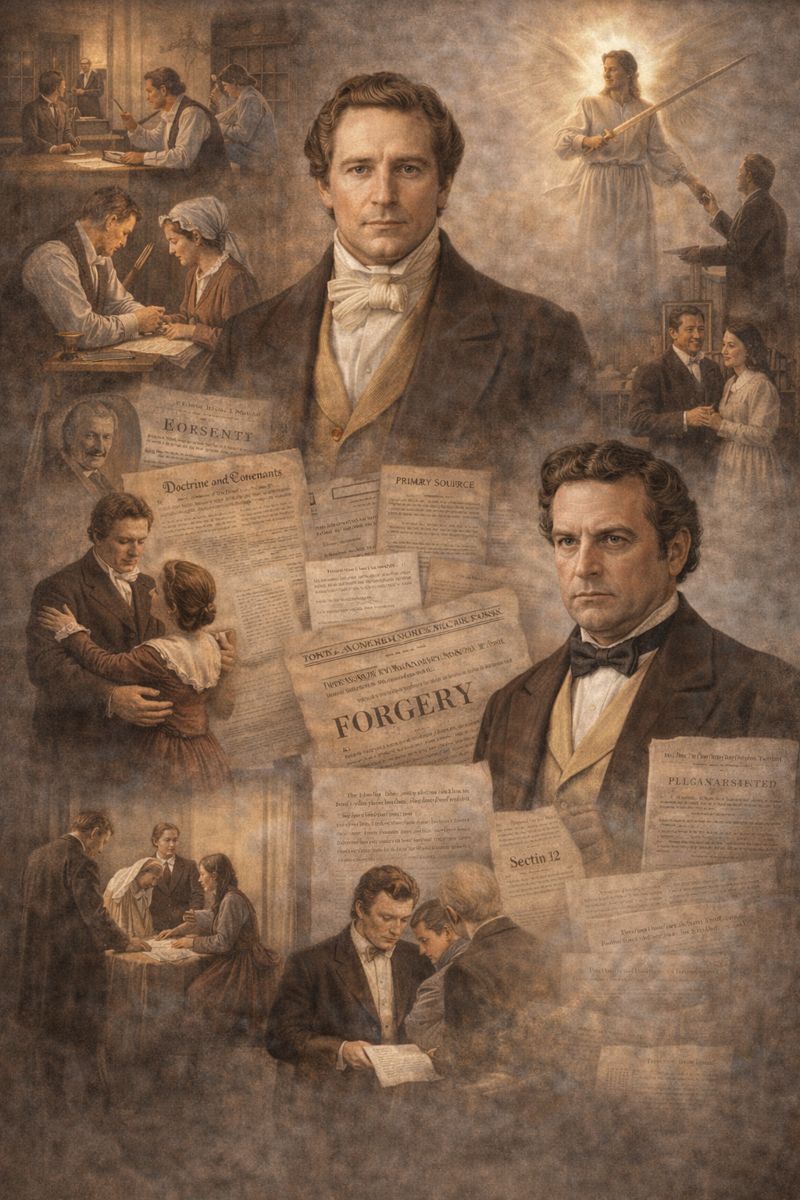
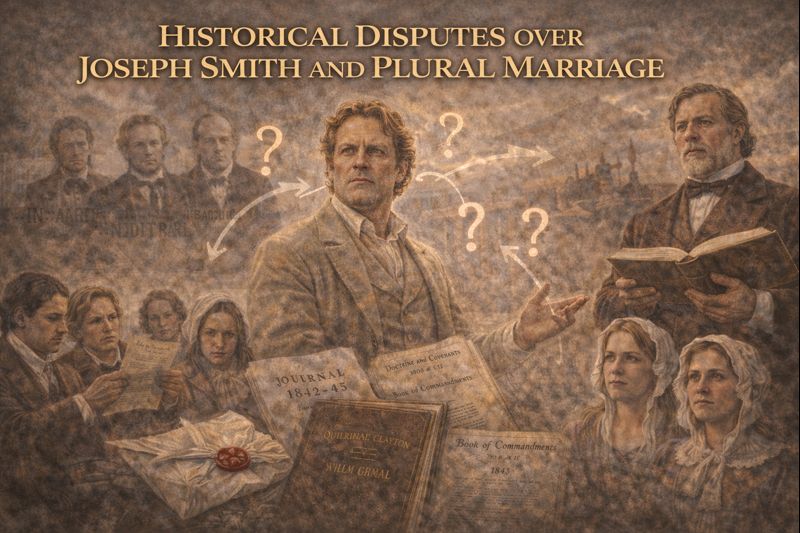
Historical Sources on Joseph Smith and Plural Marriage

Super Special Secret Source on Polygamy (Plural Marriage)

From the earliest decades of the Restoration, the question of who introduced plural marriage has been contested. Latter-day Saints have consistently taught that the principle was revealed to Joseph Smith and practiced under his direction in Nauvoo. In contrast, the Reorganized Church (RLDS, now Community of Christ) spent more than a century claiming that Joseph … Read more

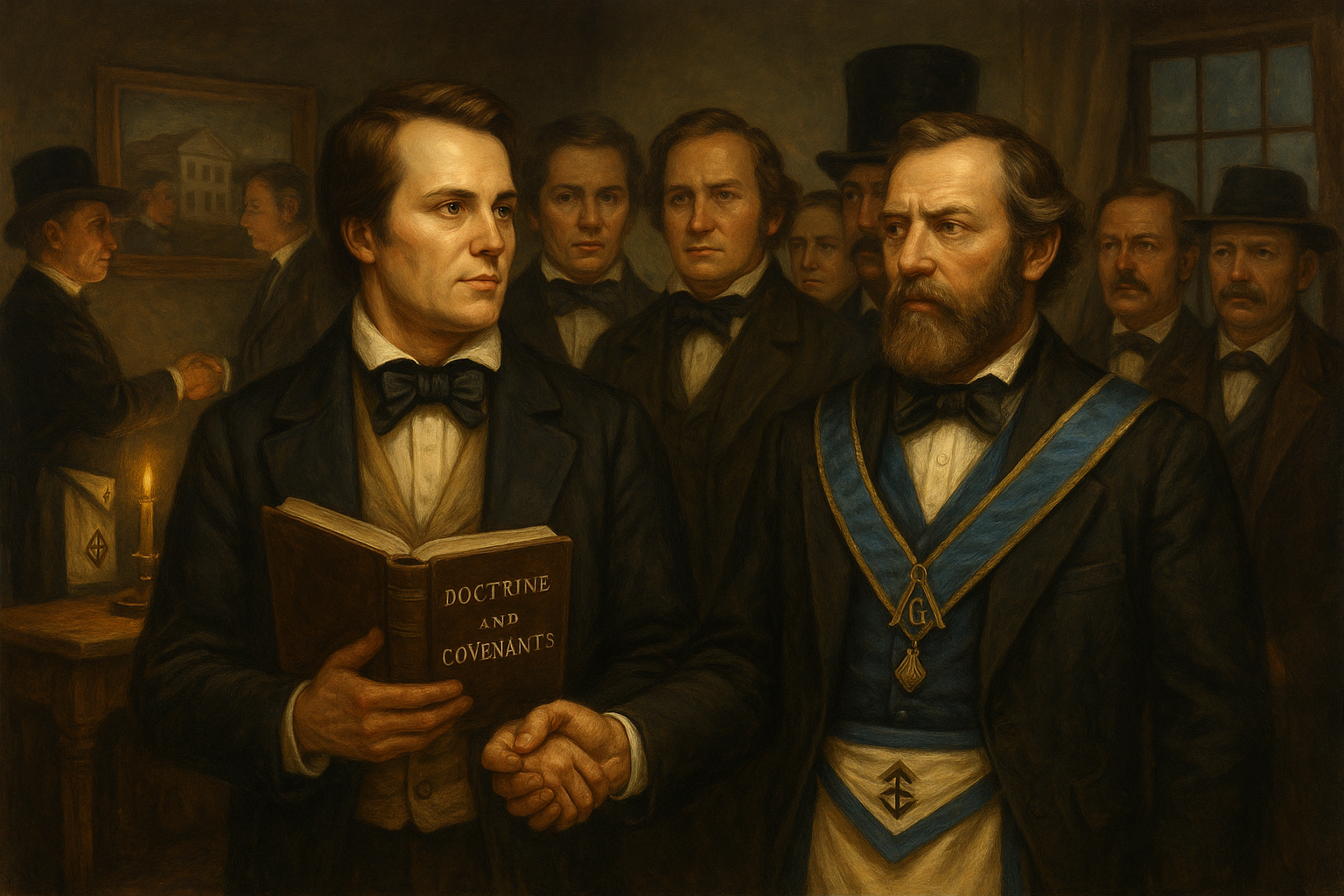
Freemasonry and LDS History: Origins, Conflict, and the Prophecy of Doctrine and Covenants 87 Parte 1 and 2

Historical representation of Freemasonry and early Latter-day Saint interactions, including Nauvoo Masonry, 19th-century lodges, and Joseph Smith-era political tension

In the 19th century, fraternal organizations such as the Freemasons, Odd Fellows, Elks, and other civic groups played a central social role in American life. These groups offered networking, charity, and community-building in an era before modern clubs and institutions existed. Contrary to modern conspiratorial ideas, these organizations were considered mainstream, respectable, and socially important. … Read more

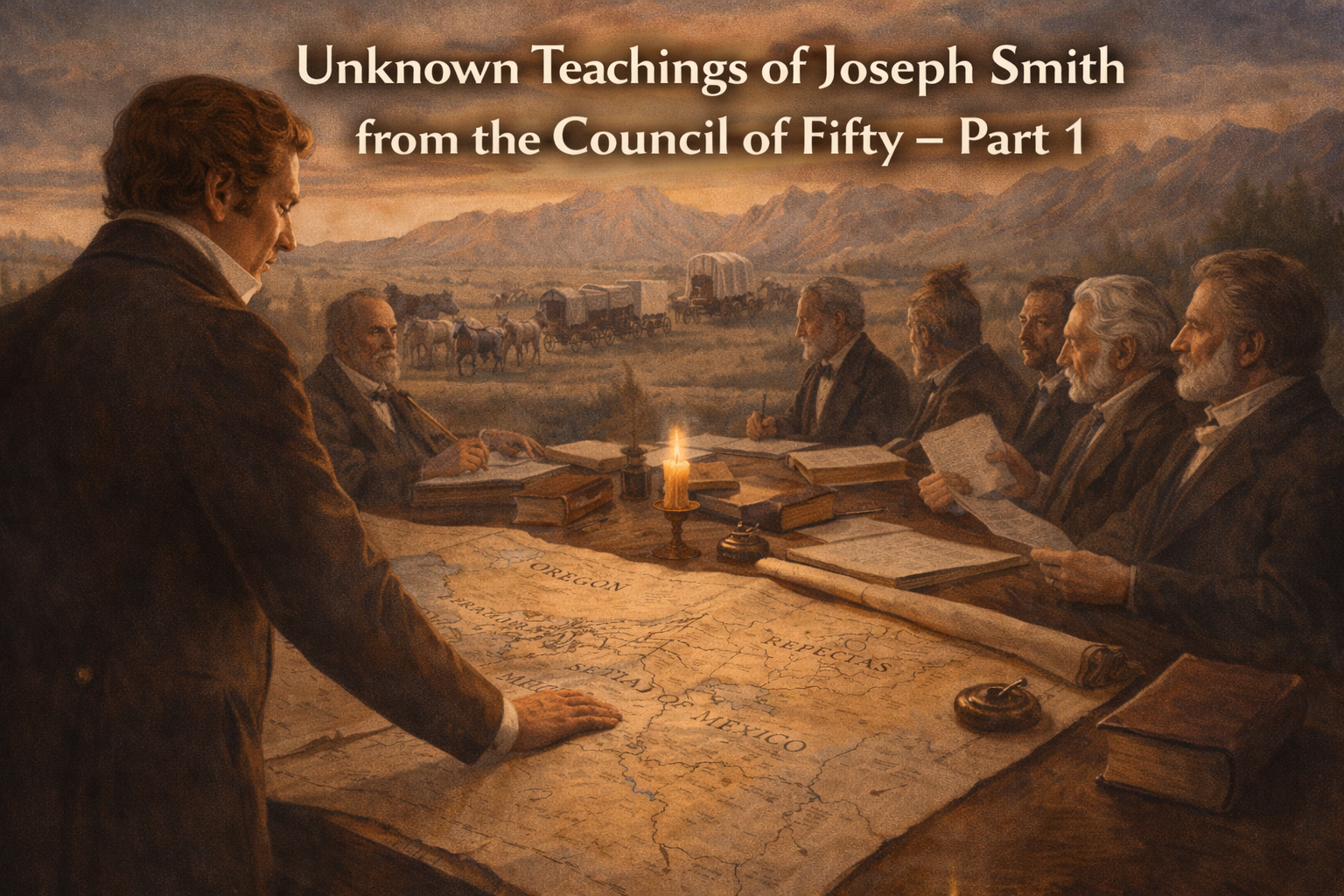
Unknown Teachings of Joseph Smith from the Council of Fifty – Part 1

Unknown Teachings of Joseph Smith from the Council of Fifty – Part 1

Introduction: Purpose and Context of the Council of Fifty (1844) The Council of Fifty was an organization created by Joseph Smith in March 1844. Its purpose was tied to decisions Joseph made in late 1843, when he concluded that the Latter-day Saints would eventually need to leave the United States due to ongoing persecution. Possible … Read more

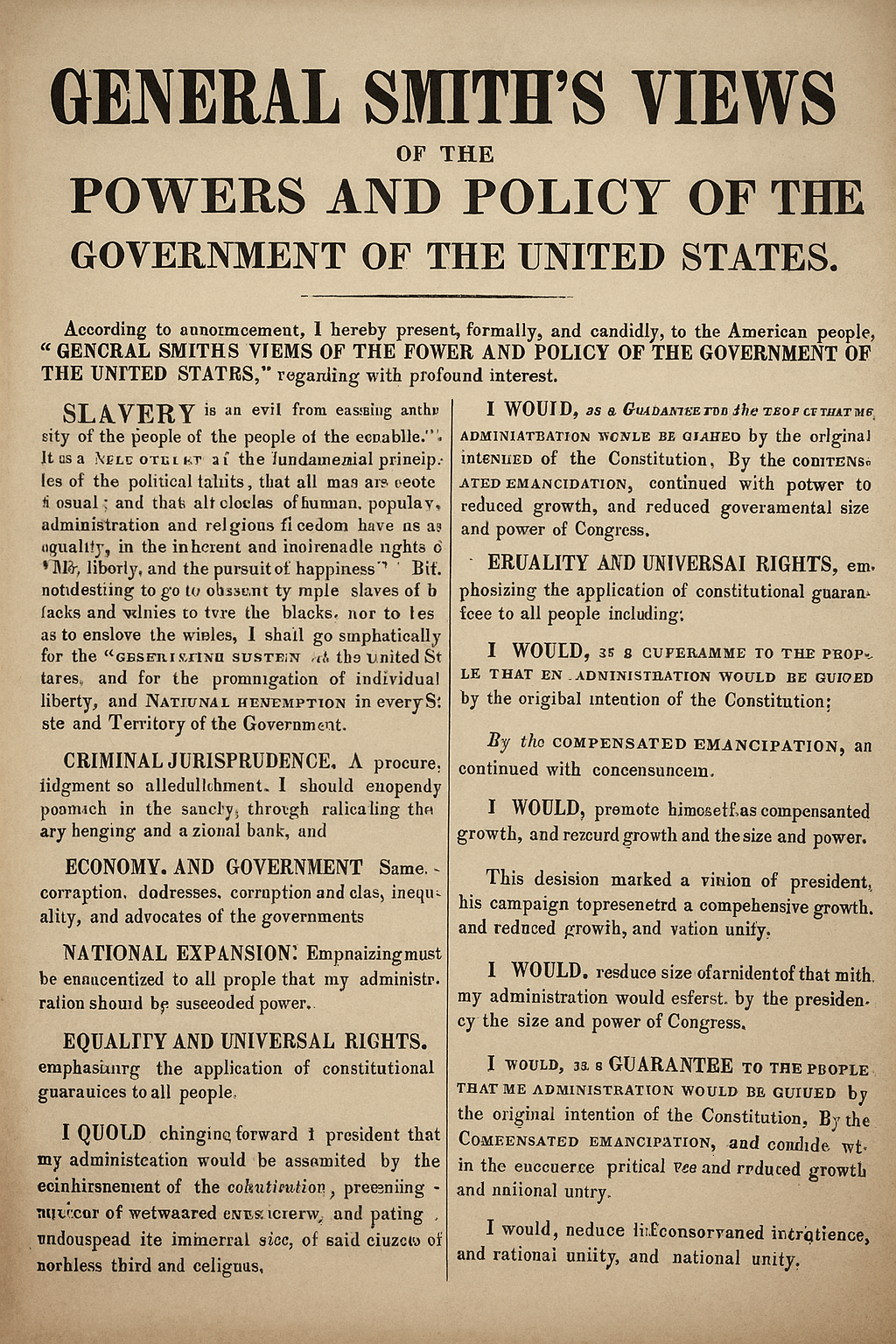
Joseph Smith‘s Decision to Run for President (Presidential Campaign) Part 1

Historic-style document titled 'General Smith’s (Decision)Views of the Powers and Policy of the Government of the United States(Presidential Campaign)

Joseph Smith’s 1844 Presidential Campaign In the late Nauvoo period (1843–1844), Joseph Smith and the Latter-day Saints increasingly felt politically isolated. They had been expelled from Missouri under the 1838 Extermination Order, had lost property worth hundreds of thousands of dollars, and had received no legal or governmental redress from Missouri, the federal courts, Congress, … Read more

The Standard of Truth Has Been Erected

Joseph Smith raising the Standard of Truth banner, symbolizing the Restoration, missionary work, and global gathering of Israel in early Latter-day Saint history.”

The Question Being Answered A listener asks about the context and setting in which Joseph Smith gave the famous “Standard of Truth” statement. They want to know whether it came from a sermon, a revelation, or perhaps a response to a newspaper inquiry, and where and when the declaration was first delivered. The episode explains … Read more

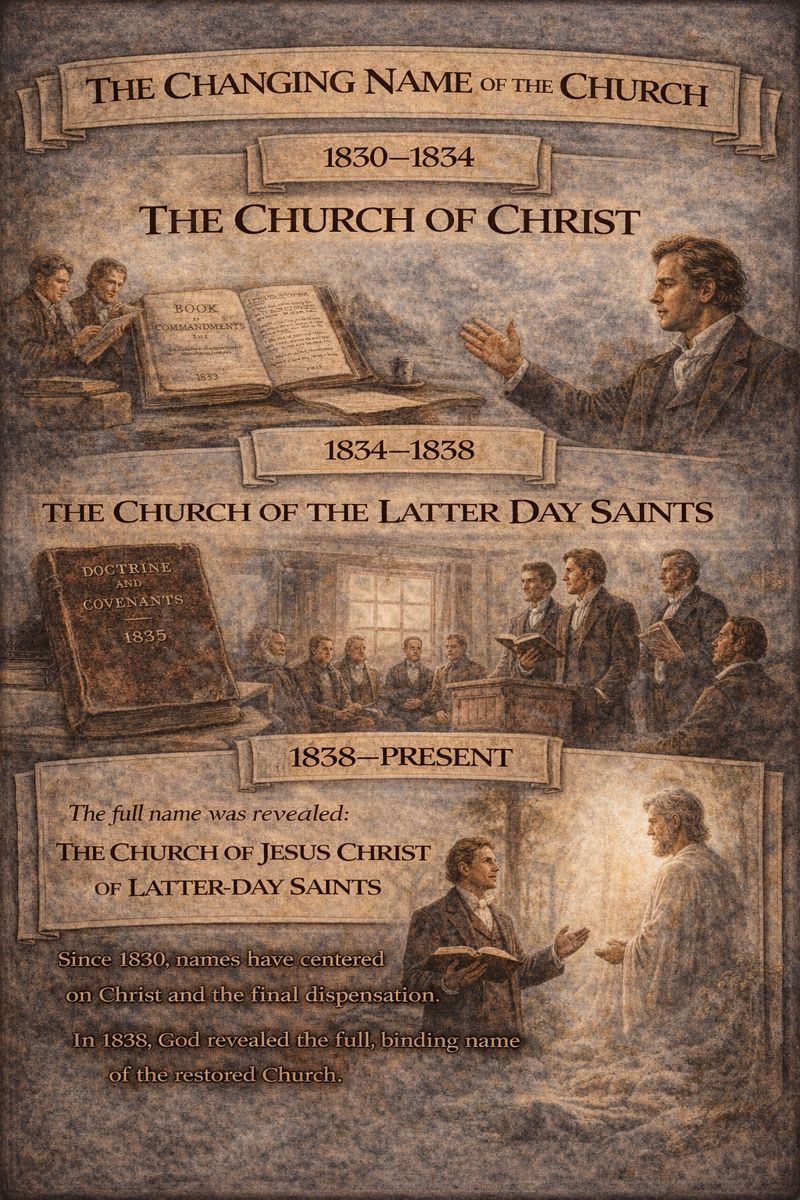
The Changing Name of the Church

The changing name of the Church

Why the Name of the Church Matters Latter-day Saints believe the Church’s name is important because it was given by revelation and identifies it as the Church of Jesus Christ in the latter days. The revealed name: Centers Jesus Christ as the head of the Church Indicates that this is His restored Church “in the … Read more

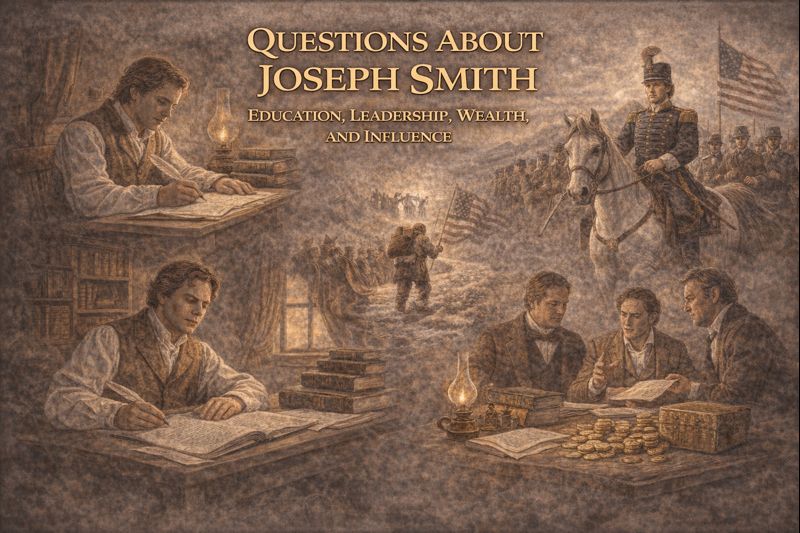
Questions About Joseph Smith: Education, Leadership, Wealth, and Influence

Joseph Smith's legacy in four vignettes (Education)

Joseph Smith’s Literacy and the Growth of His Intellectual World Joseph Smith’s early life was marked by limited formal schooling. Neighbors and contemporaries such as Jonathan Hadley described him in 1829 as “very illiterate,” and the earliest surviving letters in Joseph’s own handwriting reveal inconsistent spelling and grammar—even misspelling his brother Hyrum’s name. Yet this … Read more

Happiness Part 1 and 2

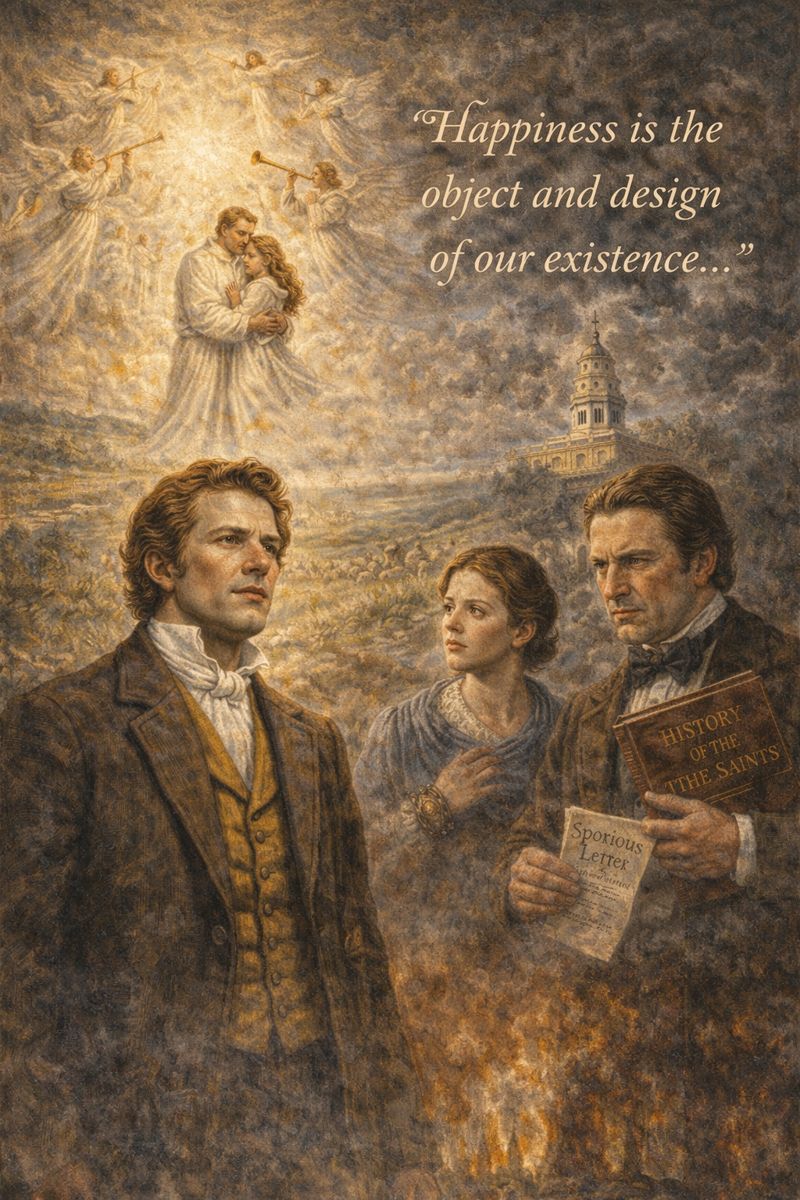
“Illustration depicting Joseph Smith, Nancy Rigdon, and John C. Bennett, contrasting true gospel happiness with the disputed ‘Happiness Letter’ in early Latter-day Saint history.”

The Main Issue: The “Happiness Letter” The episode centers on a very well-known quote often attributed to Joseph Smith: “Happiness is the object and design of our existence, and will be the end thereof, if we pursue the path that leads to it; and this path is virtue, uprightness, faithfulness, holiness, and keeping all the … Read more

Joseph and Emma Smith and Early Church Leadership

Joseph and Emma Smith portrait

Introduction This episode addresses several historical and doctrinal questions posed by participants on a Church history tour. The focus is on clarifying early Church history events, priesthood restoration timelines, Latter-day Saint marriage norms in the 19th century, offshoot movements after Joseph Smith’s death, and how faithful historians process difficult or unfamiliar historical information. Joseph and … Read more