Women and the Sacrament

Women and the Sacrament Early Priesthood Organization in the 19th-Century Church In the early Church of Jesus Christ of Latter-day Saints, priesthood offices were not assigned according to age as they are today. Throughout the 1830s–1850s, men were often ordained to the Aaronic Priesthood—sometimes even as deacons or teachers—regardless of whether they were adults. Priesthood assignment was based on congregational needs rather than age progression. With the introduction of temple ordinances in Nauvoo, most adult men were ordained elders to ensure they could participate in temple worship. However, this did not prevent those same men from serving in Aaronic Priesthood roles. It was entirely possible for an ordained elder to preside over a deacons quorum or to fulfill duties normally associated today with younger priesthood holders. By the late 19th century, the Church gradually formalized age-based priesthood offices, eventually creating the youth progression system known today for boys aged 11–18. Historical Practice of Administering and Passing the Sacrament In scripture and early Church usage, “administering” the sacrament referred specifically to blessing it—an action requiring the office of priest or higher. Passing the sacrament, by contrast, has always been a duty assigned by Church policy and organization, not a doctrinal mandate tied to priesthood power itself. During much of the 19th century, many congregations were small and lacked established youth quorums. As a result, adult priesthood holders frequently passed the sacrament. There are no known historical documents—journals, sermons, or administrative records—from the early Church that describe women or girls participating in passing the sacrament. The practice was consistently performed by male priesthood holders, with adult men commonly assisting when youth were unavailable. Revelation Authority in Early Latter-day Saint History The early years of the Church included moments when individuals claimed revelations or visions directing the Church. This prompted clear revelations establishing how prophetic authority functions. Doctrine & Covenants 28: Revelation Through the Prophet Alone In 1830, Oliver Cowdery believed he had received revelation for the Church. Doctrine and Covenants 28 clarified that: Only Joseph Smith held the authority to receive revelation for the entire Church. Others could receive revelation for their own guidance but not for the Church as a whole. This principle ensured unity and prevented competing claims to doctrinal authority. Doctrine & Covenants 43: Succession and Prophetic Appointment Doctrine and Covenants 43 reiterated that: Only the appointed prophet may receive commandments and revelations for the Church. If the prophet were to fall, he would retain one final right: the authority to appoint his successor. No individual may assume prophetic authority unless designated through the established prophetic line. This revelation formally established the boundary between personal revelation and revelation directing the Church. Joseph Smith’s Teachings on Revelation and Order Joseph Smith taught that the Church is not required to accept revelations claimed by any person who is not: legally constituted in authority ordained to receive revelation for the Church He also clarified that any angelic or visionary communication received by individuals is for personal instruction only and cannot be used to establish doctrine or governance. Transmission of the Keys of the Kingdom The governing authority of the Church—referred to as the “keys of the kingdom”—was passed from Joseph Smith to the Quorum of the Twelve Apostles before his death in 1844. These keys authorize the Twelve to lead the Church and oversee its global administration. Schisms and Claims of Unauthorized Revelation Throughout the 19th century, several individuals claimed new revelations or asserted that Joseph Smith had privately designated them as successors. These claims produced various schismatic movements. Such groups typically argued that: the main body of the Church had become corrupt their leader received a new or superior revelation prophetic authority was no longer held by the First Presidency or the Twelve This pattern resembles earlier Christian schisms, where individuals appealed to personal revelation to challenge existing ecclesiastical authority. Brigham Young’s Observations on False Revelations Brigham Young frequently commented that people throughout Church history were led astray by those claiming unauthorized prophetic authority. He emphasized that revelation contradicting the established prophet or priesthood keys is not from God and cannot guide the Church.
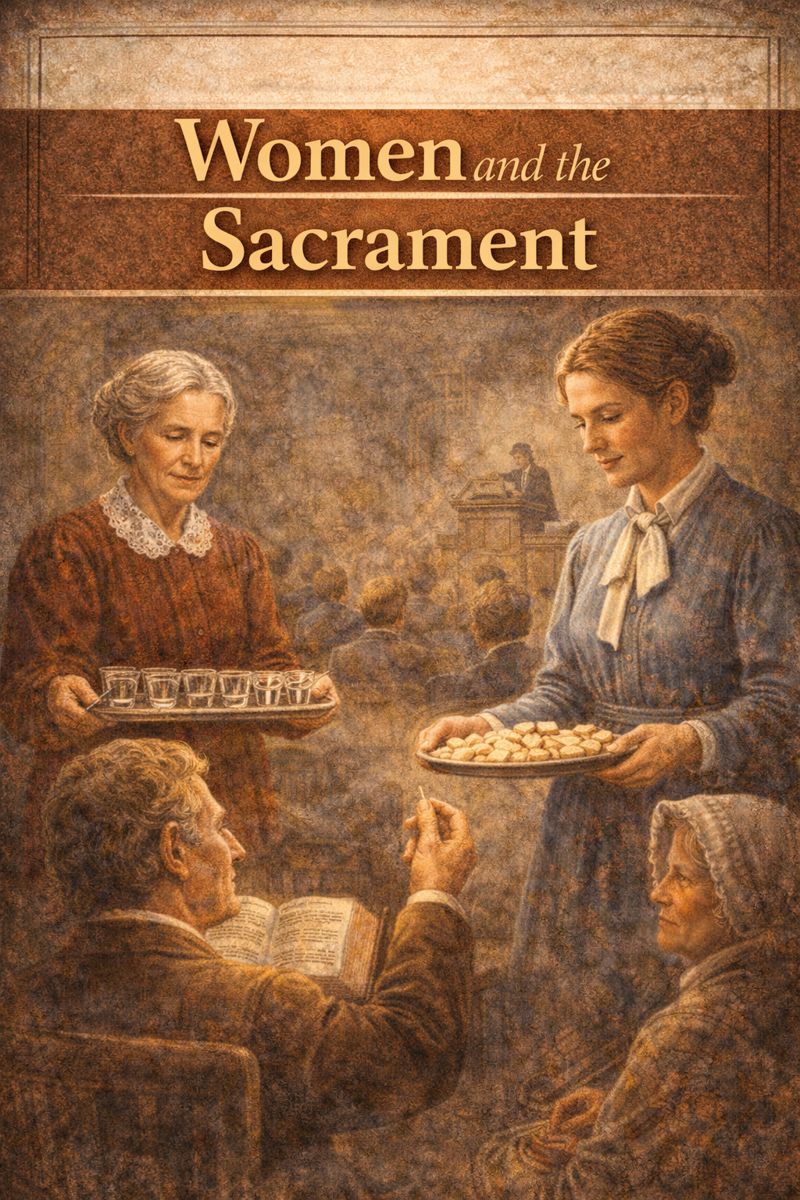
Early Priesthood Organization in the 19th-Century Church In the early Church of Jesus Christ of Latter-day Saints, priesthood offices were not assigned according to age as they are today. Throughout the 1830s–1850s, men were often ordained to the Aaronic Priesthood—sometimes even as deacons or teachers—regardless of whether they were adults. Priesthood assignment was based on … Read more
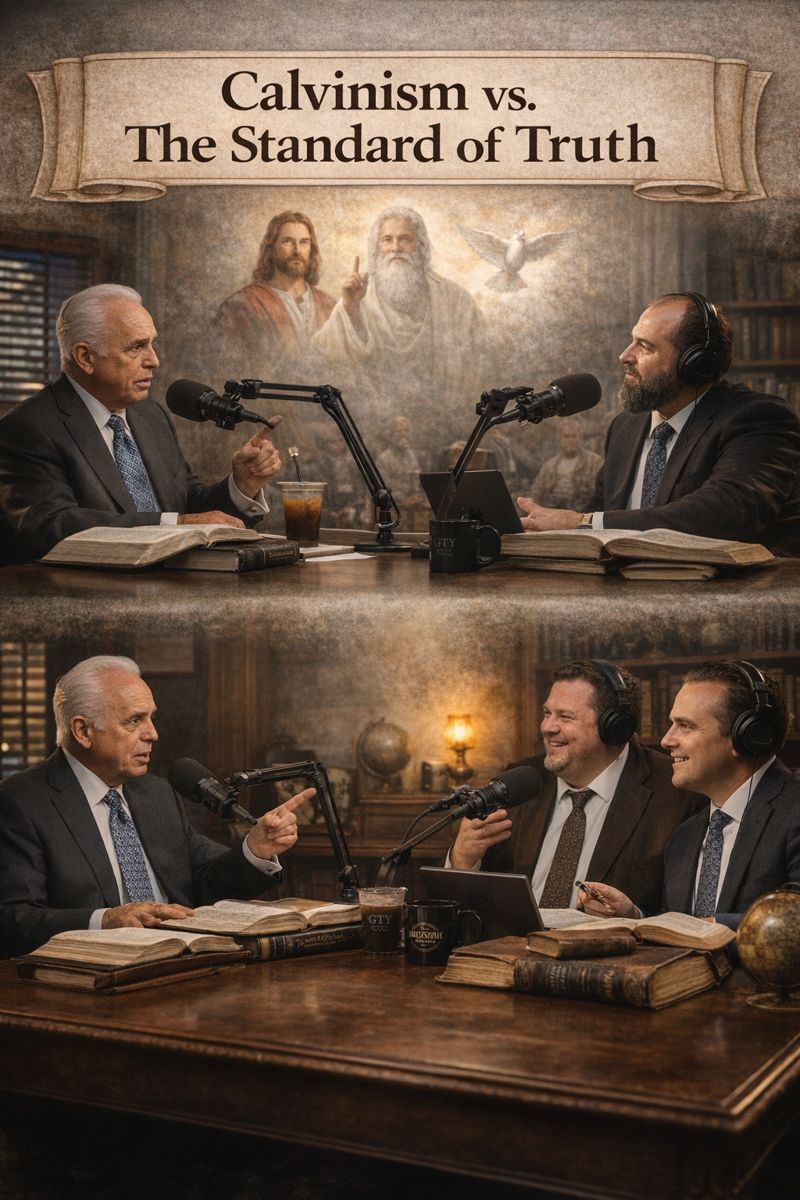
Calvinism vs. The Standard of Truth Podcast

Calvinism vs. The Standard of Truth A Conversation Between Two Worlds of Theology

A Conversation Between Two Worlds of Theology In this episode of the Standard of Truth podcast, two Latter-day Saint historians—Dr. Garrett Dirkmaat and Dr. Richard LeDuc—examine clips from Pastor John MacArthur, one of the most influential Calvinist preachers of modern times. The conversation becomes a window into two dramatically different theological universes: the Calvinist world … Read more

The Angel Raphael and Other Ninja Turtles

The Angel Raphael and Other Ninja Turtles - Read the Truth

Introduction This episode turns to a set of historical and theological questions that arise from Joseph Smith’s revelations, especially those surrounding the angels named in Doctrine and Covenants 128. Among the angels Joseph lists are Michael and Gabriel, both explicitly identified by Joseph as Adam and Noah, respectively. But the third figure, Raphael, is mentioned … Read more

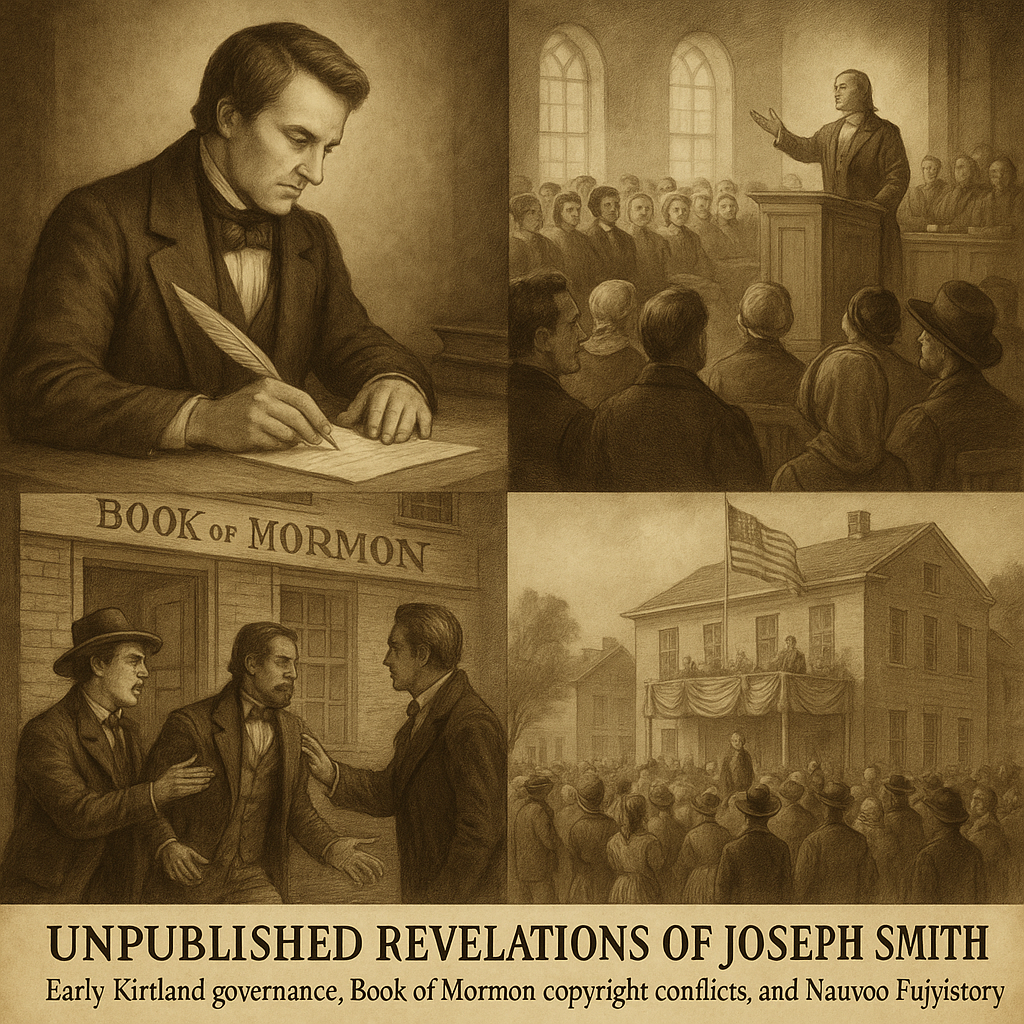
Unpublished Revelations of Joseph Smith – Parts 1–2 + Fourth of July

Unpublished Revelations of Joseph Smith: History & Context

Early Uncanonized Revelations of Joseph Smith (1830–1843): Historical Overview Early Latter-day Saints understood that more revelations existed than those published in the 1835 Doctrine and Covenants. Church members knew Joseph Smith received numerous revelations recorded in journals, letters, manuscript books, and loose documents kept by scribes. These uncanonized revelations were treated as genuine, publicly read, … Read more

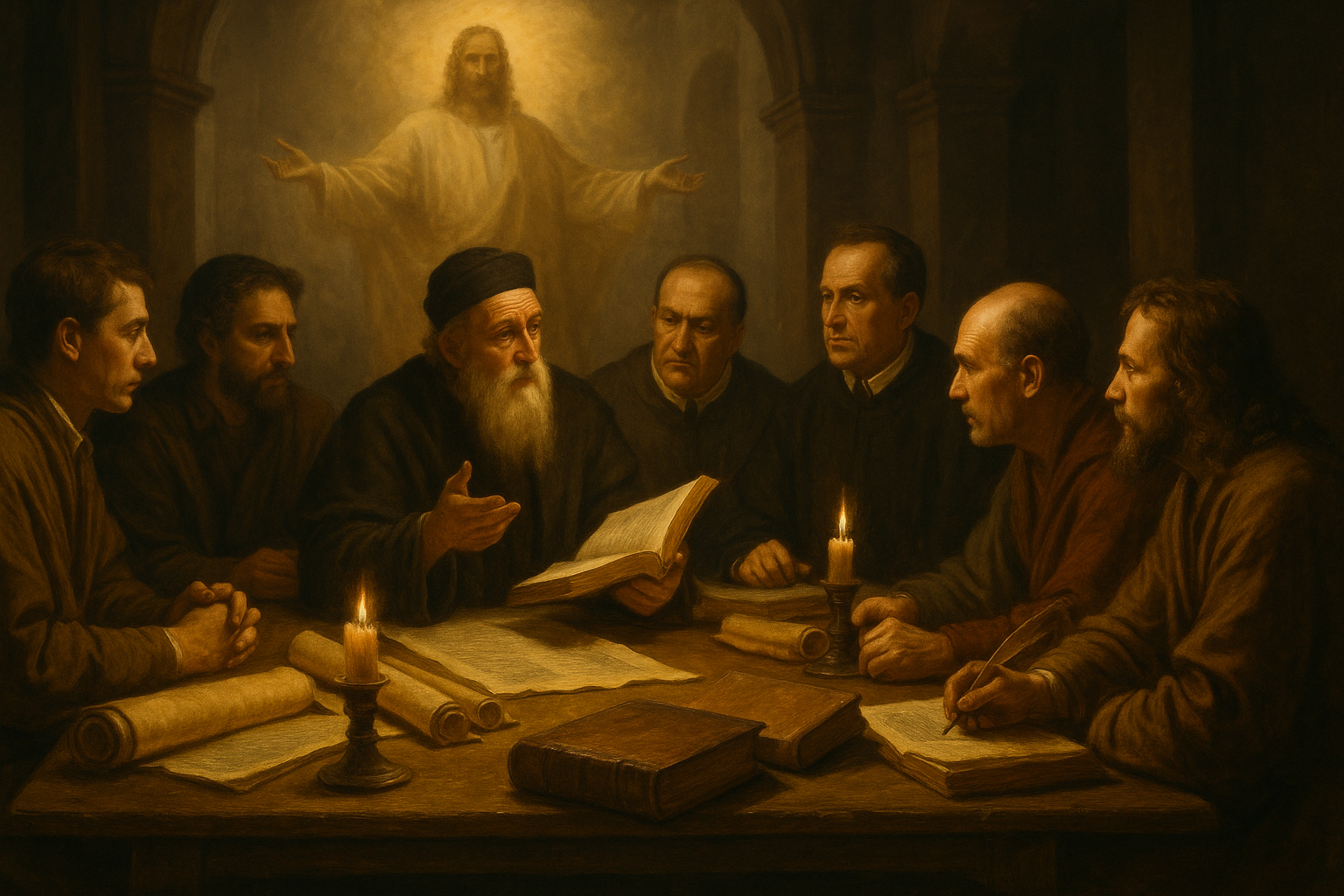
D&C 93 and the Nature of God Part 1

D&C 93 and the Nature of God illustrated through early Christian theological debates

D&C 93 and the Nature of God – Part 1 Early Christian Context: Monotheism and the Nature of Christ Judaism in the time of Jesus was distinguished from surrounding pagan religions primarily by monotheism. Pagan religions accepted many gods; Judaism rejected the existence of other gods entirely. This strict monotheism created a theological problem for … Read more