Part 1
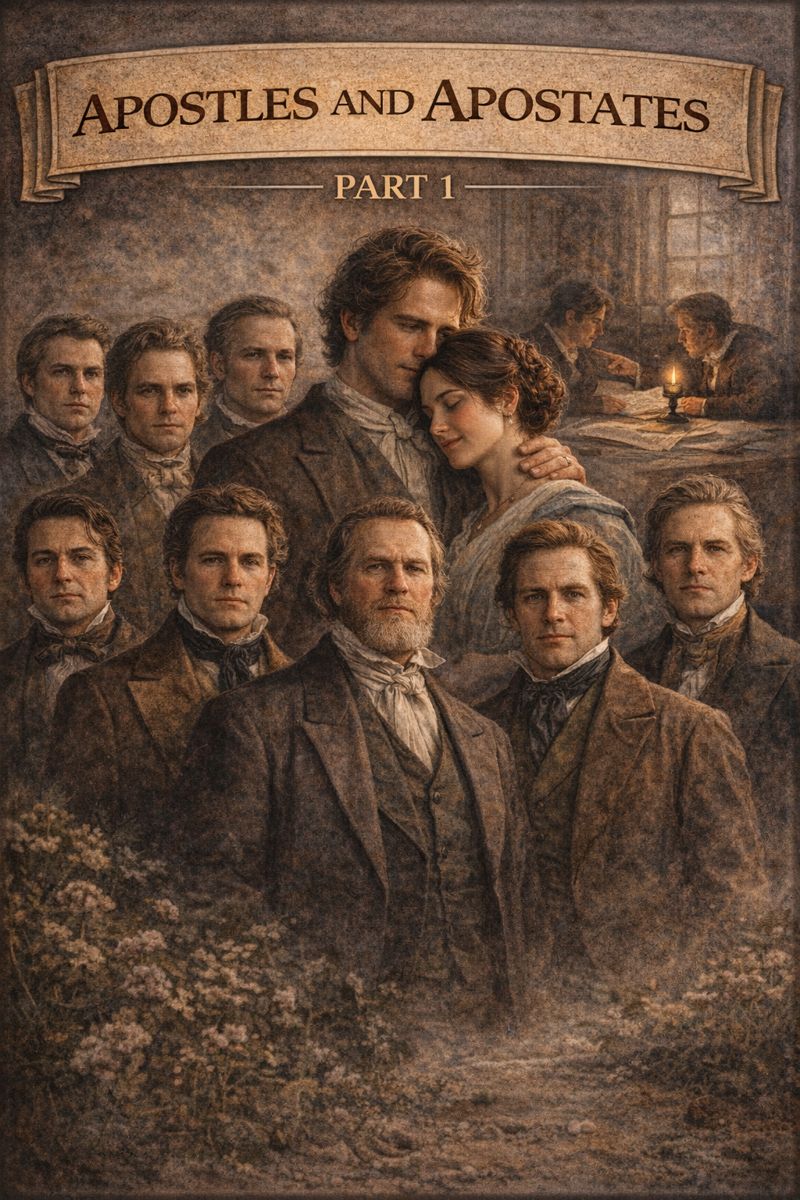
The Doctrine and Covenants 18 outlines the significant role of apostles within the early Latter-day Saint movement, emphasizing the calling of the Three Witnesses as foundational leaders. Under the presidency of Thomas Marsh, the Quorum of the Twelve faced various challenges, notably during the Missouri crisis, which tested their commitment and responsibilities. Key figures such as David W. Patten, despite his young age, contributed significantly to the ministry and the preservation of the faith. The restoration of the Keys of the Kingdom in Nauvoo further solidified the apostles’ authority and direction, seeking to counter apostasy among the original Twelve and ensure the continuity of the church’s mission as established by Joseph Smith.
Introduction to the Standard of Truth Podcast
The podcast explores early Church history of The Church of Jesus Christ of Latter-day Saints and the life and teachings of the Prophet Joseph Smith, using original historical sources and providing contextual understanding.
Calling of the Quorum of the Twelve Apostles
Prophetic Foundation (D&C 18)
In Doctrine and Covenants 18 (summer 1829), the Lord instructed Oliver Cowdery and David Whitmer that:
They would be responsible for searching out the Twelve Apostles.
They would recognize them “by their desires and their works.”
When they found them, they were to present them with the revelation that had been received before the Church was organized.
The Calling Takes Place Years Later
Although D&C 18 was given in 1829, the Apostles were not called until February 1835.
This delay shows development in early Church organization:
the roles of Apostles and the administrative structure evolved gradually.
February 1835 — Organization of the Twelve
Authority to Call the Twelve
The Three Witnesses (Oliver Cowdery, David Whitmer, Martin Harris) were granted authority to select the Apostles.
Before exercising this calling, they themselves were given authority by the First Presidency (Joseph Smith, Frederick G. Williams, Sidney Rigdon, Hyrum Smith, etc.).
This shows a balance:
God granted the calling to the Witnesses.
Formal ordination authority was conferred through Church leadership.
Names of the Original Twelve
Lyman Johnson
Brigham Young
Heber C. Kimball
Orson Hyde
David W. Patten
Luke Johnson
William McLellin
John F. Boynton
Orson Pratt
William Smith
Thomas B. Marsh
Parley P. Pratt
Order of Ordination
The first Apostle ordained was Lyman Johnson, followed by Brigham Young, etc.
Why Thomas Marsh Was the First President of the Twelve
Original Presidency Based on Age
Joseph Smith instructed that the Twelve were to be seated and preside according to age:
“The oldest to preside.”
By this calculation, Thomas B. Marsh was believed to be the oldest.
David W. Patten Was Actually Older
David Patten mistakenly reported his birth year incorrectly.
If his correct age had been known, he would have been the first President of the Twelve.
Nevertheless, Thomas Marsh served from 1835–1838.
Early Duties of the Quorum of the Twelve — Different From Today
Initially, the Twelve were called as a “traveling high council.”
Their authority applied outside the center place of the Church (Kirtland or Far West).
They had no jurisdiction inside organized stakes.
Duties
Travel constantly to preach the gospel.
Regulate distant branches where no stake had been established.
Support themselves by their ministry when needed.
This structure reflected the practical needs of a rapidly expanding but geographically scattered Church.
Growth of Apostolic Authority
Missouri Crisis and the Twelve
After the 1838–39 persecutions in Missouri:
Church leadership (Joseph and the First Presidency) were imprisoned.
Saints were violently driven into Illinois.
The Twelve, whose authority existed outside Missouri headquarters, stepped into a major leadership void.
They:
Organized refugee Saints in Illinois.
Excommunicated apostates who contributed to the Missouri disasters.
Directed missionary efforts.
Helped re-establish Church order.
This period significantly elevated their leadership role.
Keys of the Kingdom
In Nauvoo, shortly before his martyrdom, Joseph Smith conferred the “Keys of the Kingdom” upon the Twelve.
This event ensured that the Twelve held all priesthood authority necessary to lead the Church after Joseph’s death.
Apostles and Apostates — Overview
Among the original Twelve:
Faithful throughout life: Brigham Young, Heber C. Kimball, Orson Pratt
Apostatized temporarily but returned: Orson Hyde
Left permanently: William McLellin, John F. Boynton
Died faithfully: David W. Patten
Future sections can cover each Apostle individually.